A Waterway Born From Napoleon’s Vision
The Canal Saint-Martin is one of Paris’s most picturesque and historic waterways, stretching roughly four and a half kilometers through the heart of the city. Ordered by Napoleon in 1802, the canal was originally designed to bring fresh water to a rapidly growing population while also serving as a vital commercial route. In classic French fashion, its construction was funded through a tax on wine — a small sacrifice for a project meant to sustain an expanding capital.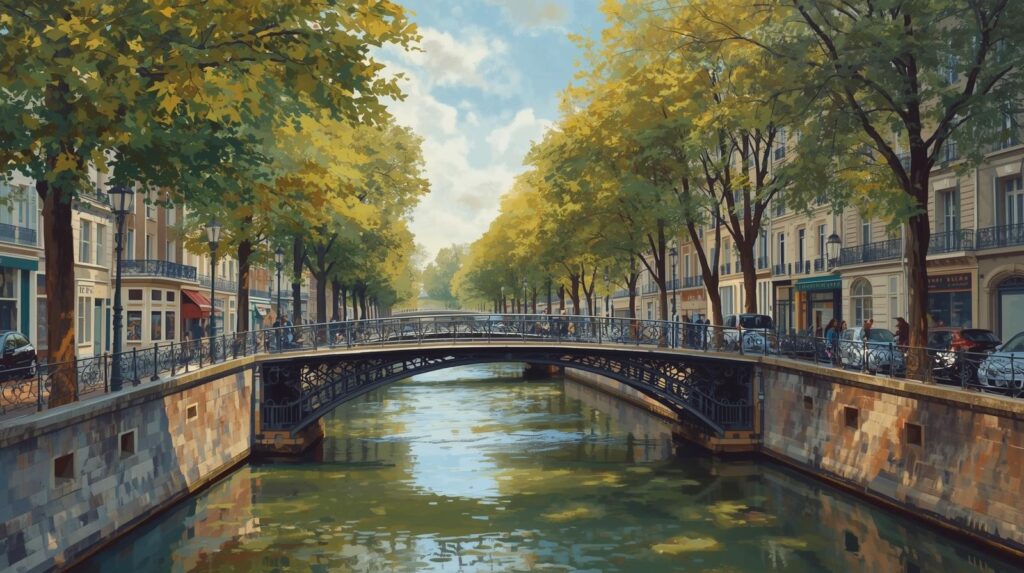
From Lifeline to Overflowing Strain
As Paris modernized and its population swelled, the canal faced increasing pressure. While it remained beautiful on the surface — a favorite for strolls and photographs — beneath the water lay decades of neglect. Over time, the canal gradually became a dumping ground for everyday waste, forgotten objects, and the occasional deliberate discard. What looked serene from above told a very different story below.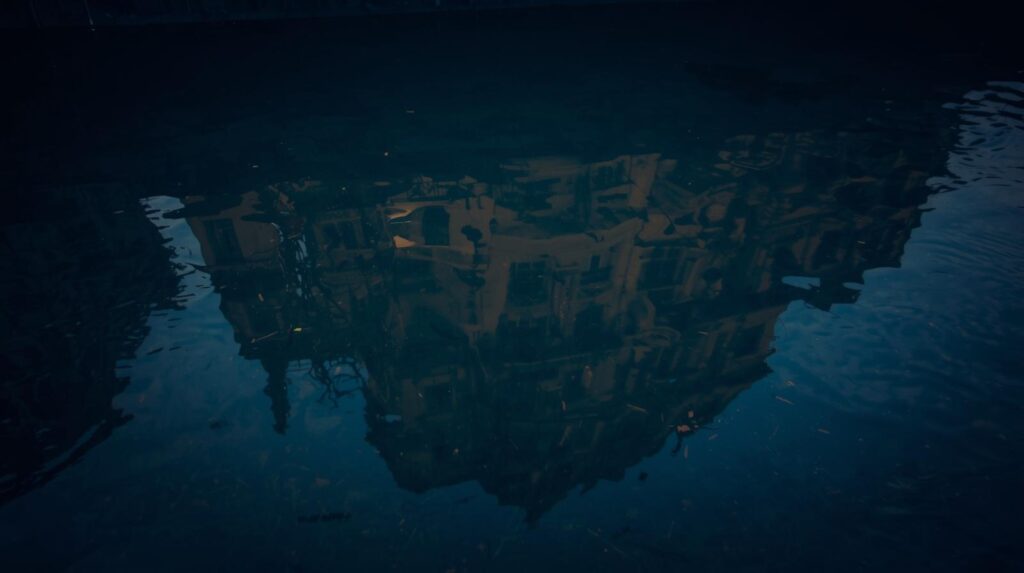
The First Drain Since 2001
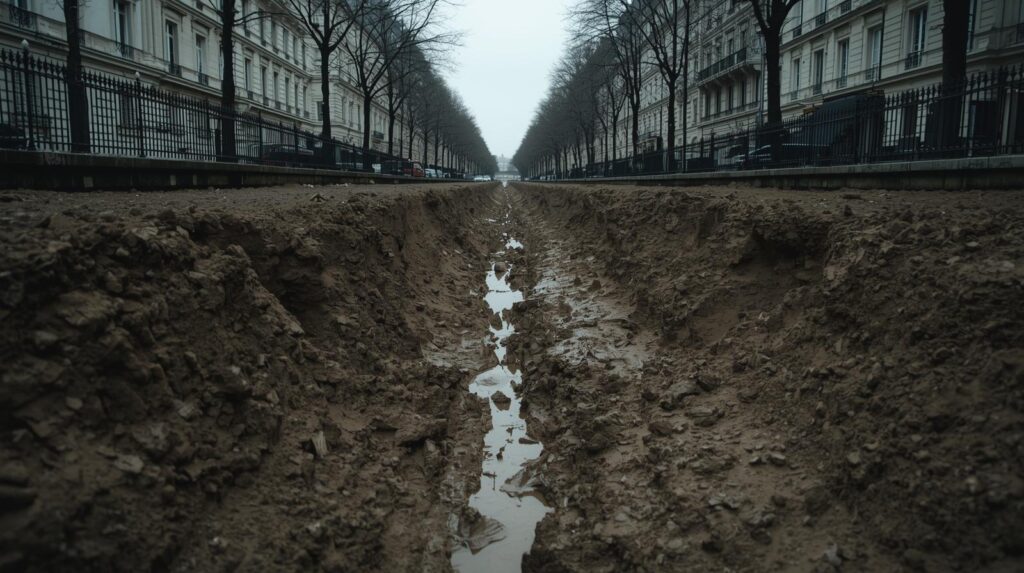
City authorities made the bold decision to dam and drain the canal for the first time since 2001. As the water levels dropped, Parisians gathered along the banks to witness the rare spectacle. The muddy canal bed emerged slowly, revealing not just sludge and silt, but a chaotic archive of the city’s forgotten objects. Workers descended into the basin, beginning a massive cleanup effort that would eventually remove more than 40 tons of debris.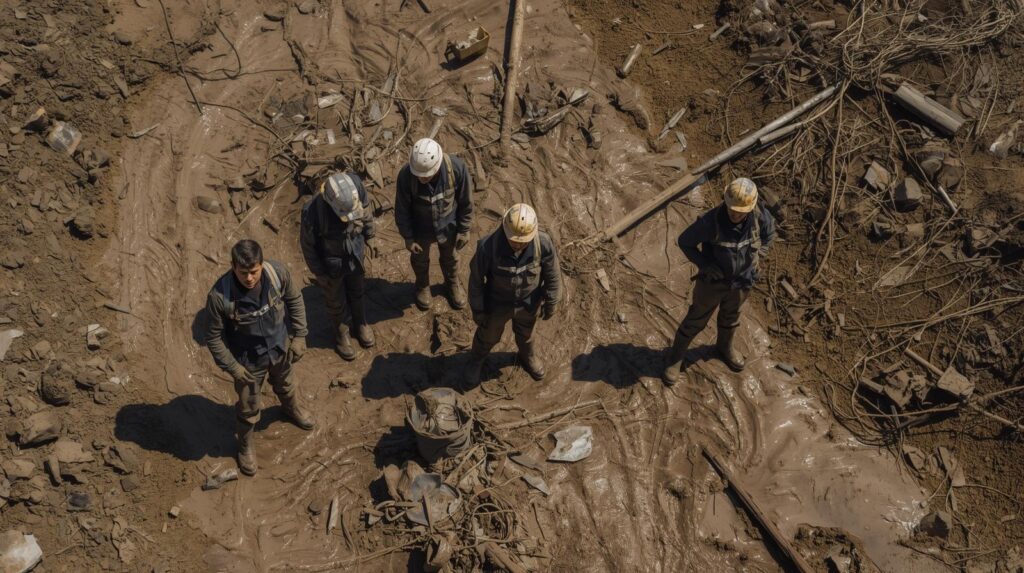
A Graveyard of Bikes and Bottles
At first glance, the findings were predictable — countless wine bottles, beer cans, and modern trash. But then came the astonishing discovery: thousands of bicycles and mopeds submerged in layers of mud. Some appeared relatively recent, possibly stolen and dumped. Others were heavily corroded, silent witnesses to decades past. The canal had quietly become a graveyard of urban life.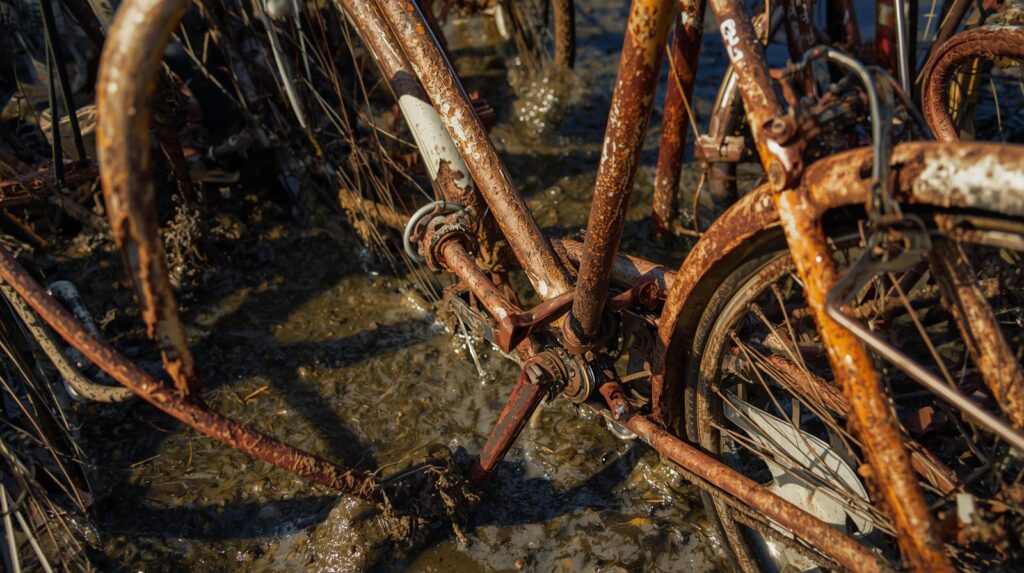
Echoes of Everyday History
Beyond the modern clutter, workers uncovered older objects that carried a strange sense of dignity despite their decay. Vintage boom boxes, antique cameras, and personal belongings hinted at forgotten stories. Though ordinary in nature, these items felt like time capsules — fragments of daily life preserved beneath the water. For those cleaning the canal, it was like wading through layers of Parisian memory.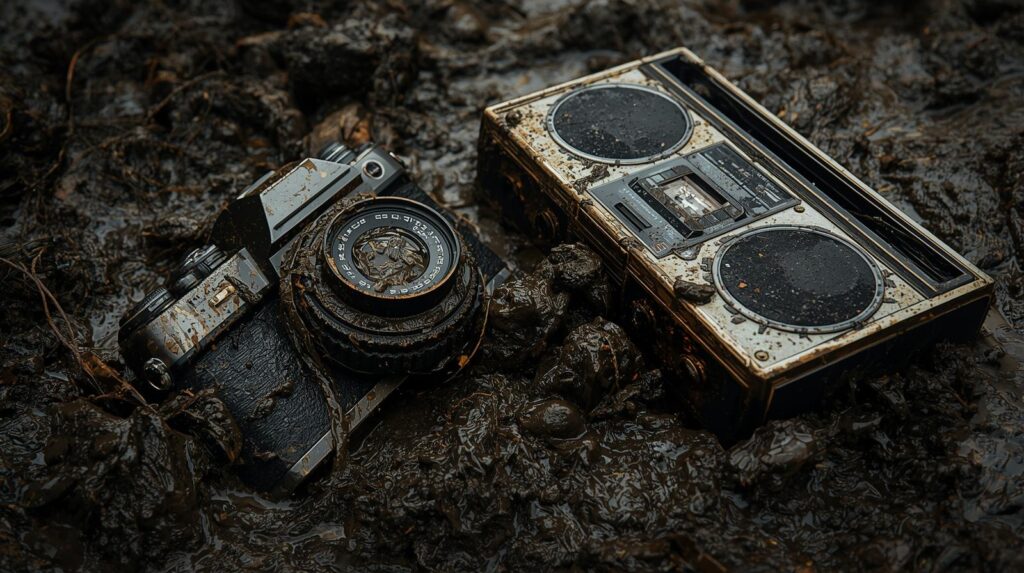
Artifacts From Another Era
Among the more startling discoveries were artifacts dating back to the First World War. Workers recovered coins, an unexploded shell, and even an old car buried deep in sediment. Each find served as a reminder that the canal had existed through wars, revolutions, and centuries of change. Beneath the mud lay not just trash, but history — some of it still dangerous.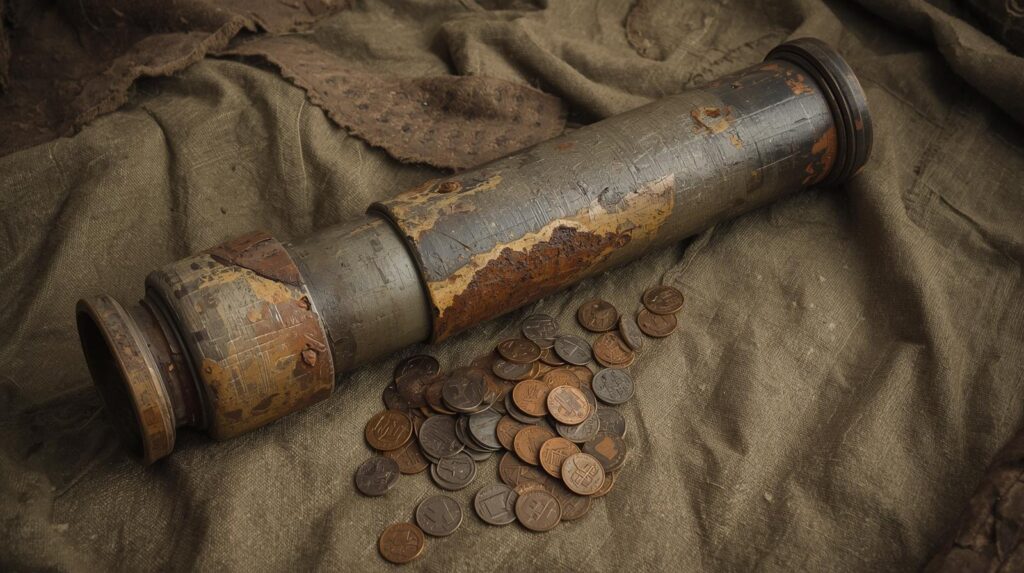
Protecting Life Beneath the Surface
While crowds gathered to watch the spectacle, another operation was quietly underway. The canal’s aquatic residents were carefully relocated before the drainage process continued. Over several days, workers moved more than four tons of fish to safer waters, ensuring the cleanup wouldn’t become an ecological disaster. Even in restoration, preservation remained a priority.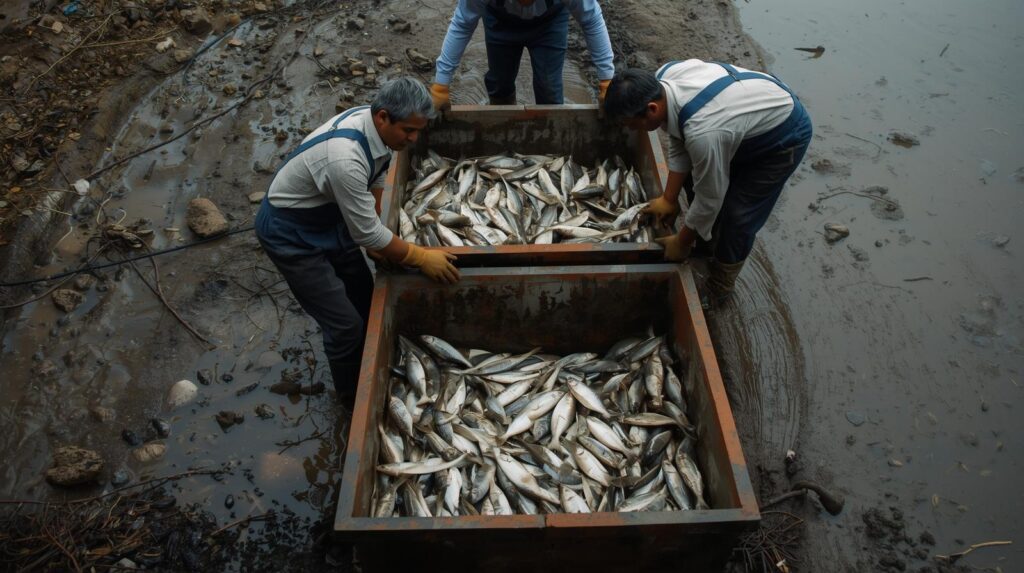
A Rare Glimpse Into Hidden Paris
For residents, the drained canal was a surreal sight. With water levels so low, people could nearly walk across sections that had once been deep and reflective. Birds flocked to the exposed mud, exploring newly revealed terrain. The city paused to witness what usually remains unseen — a reminder that even the most beautiful places accumulate secrets over time.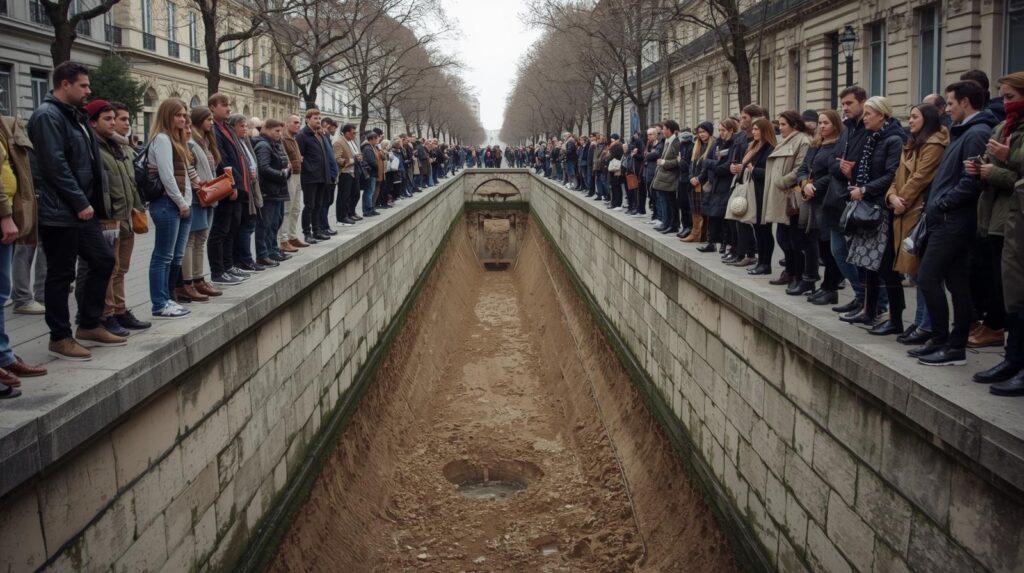
What Still Lies Beneath?
The cleanup of Canal Saint-Martin offered more than a tidier waterway. It exposed the layered history of Paris itself — from Napoleon’s ambitious engineering to modern-day neglect. With over 40 tons of debris already removed, one question lingers: what other relics remain hidden beneath Europe’s historic cities? Sometimes, to understand a place fully, you have to drain the surface and face what rests below.