When Adventure Meets Real Danger
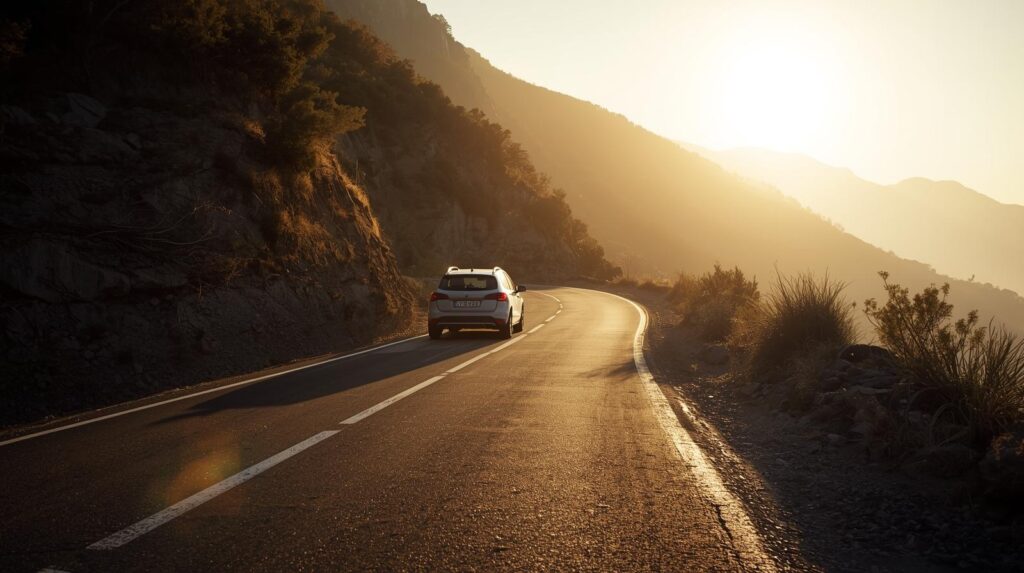
A relaxed weekend drive or a scenic road trip can feel like the perfect escape. Open highways, breathtaking landscapes, and the thrill of the journey often fuel our sense of adventure. But not every road is as harmless as it looks. Around the world, there are routes that appear ordinary at first glance — until weather, terrain, or other hidden dangers turn them into life-threatening experiences. Before planning your next drive, it’s worth knowing which roads demand extreme caution.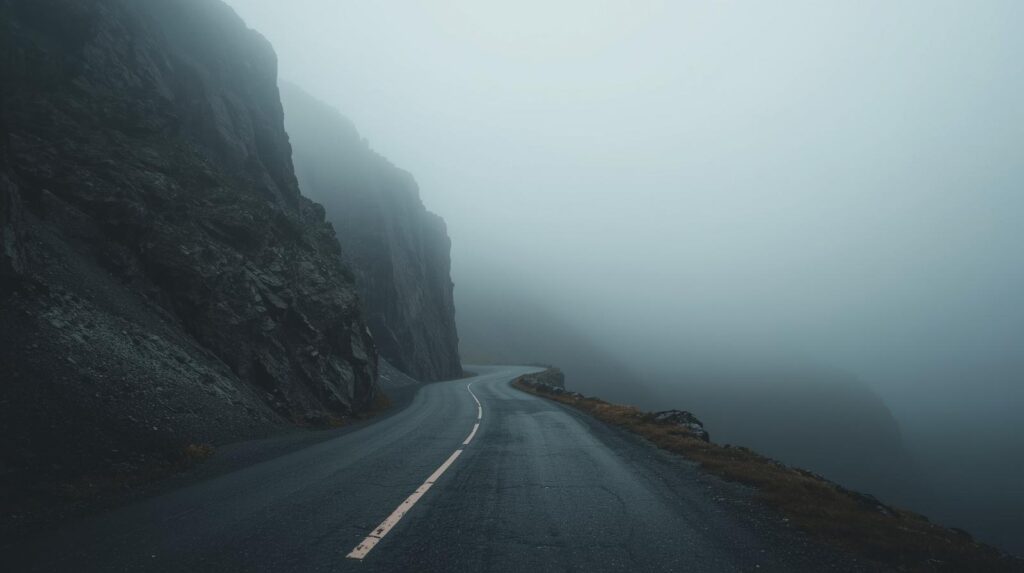
1. Passage du Gois – France
Located on the Atlantic coast of France, the Passage du Gois is a road that disappears twice a day. High tides completely submerge the route, leaving unsuspecting drivers stranded or worse. Even when visible, the surface is slick with seaweed, making traction unreliable. Timing is everything here — misjudge it, and the ocean takes control.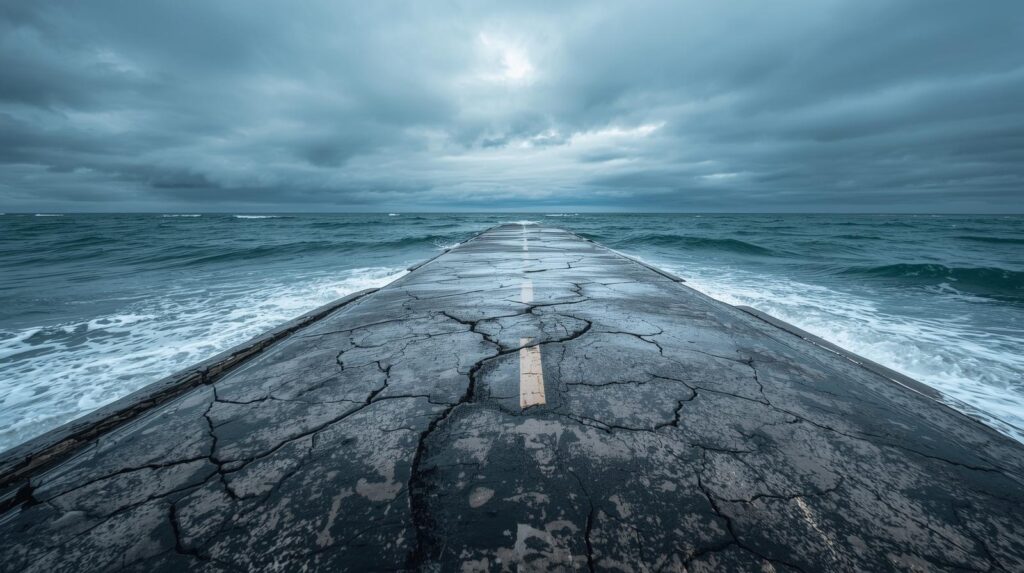
2. Tianmen Shan Big Gate Road – China
Set within Tianmen Mountain National Park, this road is famous for its dramatic 99 sharp bends climbing 1.1 kilometers upward. The scenery is breathtaking — and dangerously distracting. With steep drops and hairpin turns stacked one after another, even a moment of lost focus can lead to a fatal mistake.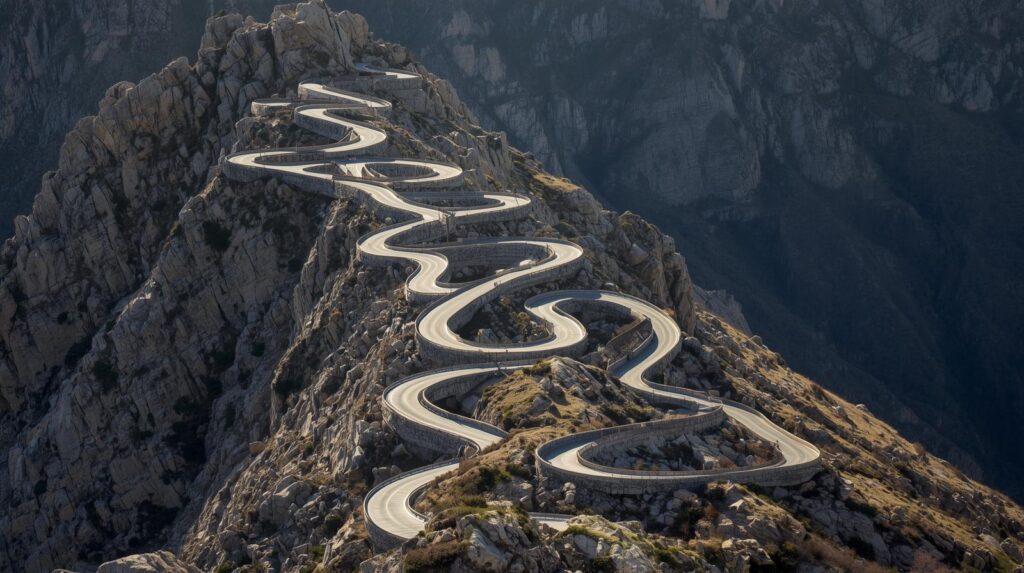
3. Luxor–Hurghada Road – Egypt
Nicknamed by some as “the road to hell,” this highway has a troubling history. Drivers have reportedly faced a dangerous dilemma: keep headlights on and risk drawing attention from bandits, or turn them off and increase the chance of an accident in the dark. While conditions have improved in recent years, its reputation still lingers.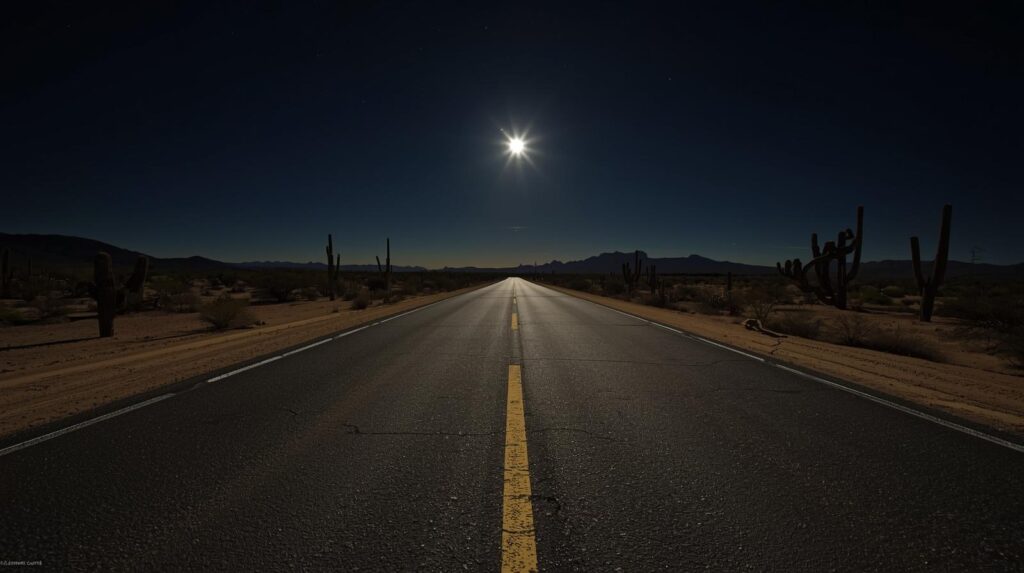
4. Zoji La Pass – India
High in the western Himalayas, Zoji La Pass stands at over 11,500 feet above sea level. Narrow lanes hug steep cliffs, and extreme weather can change conditions rapidly. Snow, ice, and sharp mountain edges leave no room for error. One wrong move here isn’t just a mistake — it can be fatal.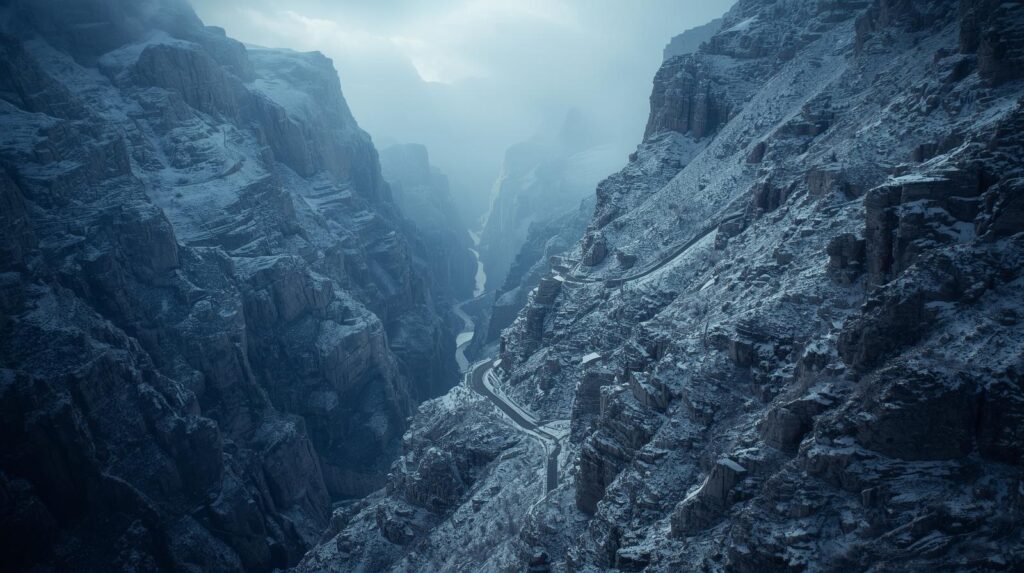
5. Eyre Highway – Australia
Unlike winding mountain roads, the danger of the Eyre Highway lies in its monotony. Stretching roughly 1,675 kilometers across remote terrain, its long, straight sections can cause severe driver fatigue. The endless landscape and lack of stimulation have contributed to accidents caused by microsleep and loss of concentration.
6. Skippers Canyon Road – New Zealand
Carved by miners nearly 140 years ago, this narrow cliffside road is not for the faint-hearted. With minimal guardrails and tight spaces barely wide enough for a single vehicle, night driving here is especially dangerous. The scenery is stunning, but caution is essential.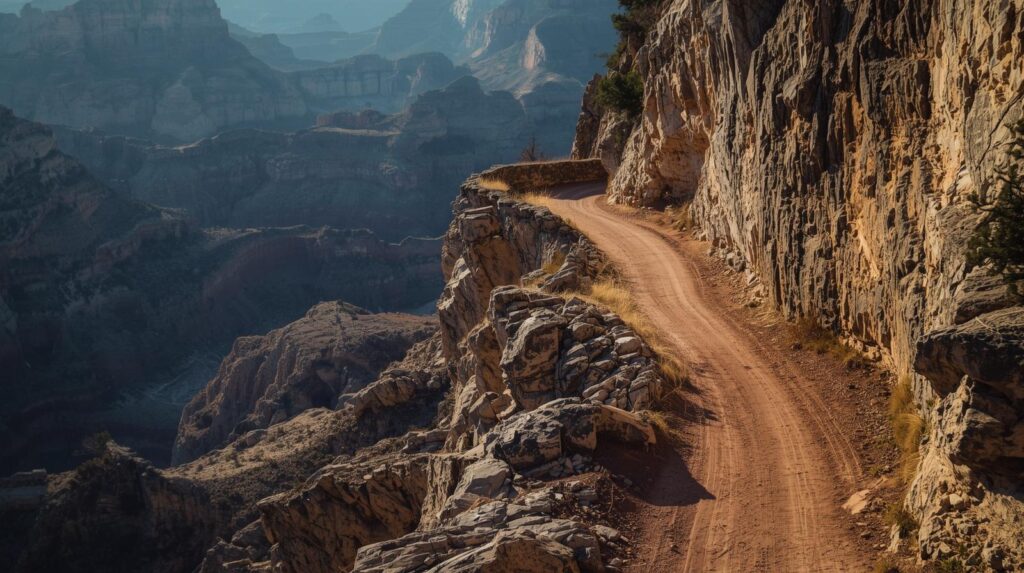
7. Patiopoulo–Perdikaki Road – Greece
Frequent elevation changes, narrow twists, potholes, livestock crossings, and no guardrails — this road combines multiple hazards into one unpredictable drive. Every few hundred meters brings a new challenge, demanding full concentration from anyone behind the wheel.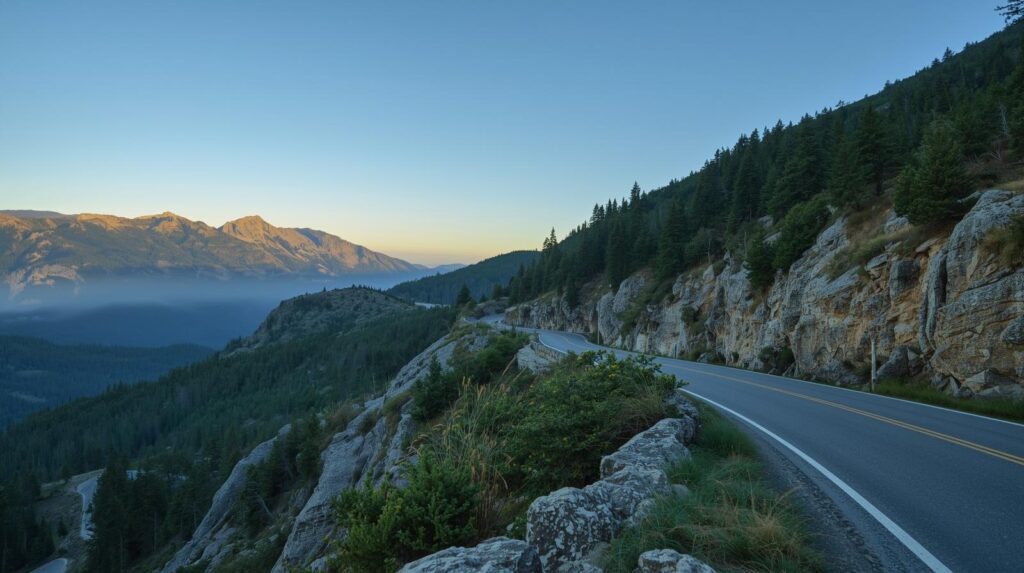
8. Taroko Gorge Road – Taiwan
Part of Highway No. 8, this dramatic road cuts through mountains and tunnels carved directly into rock. While visually stunning, it’s prone to landslides and earthquakes. Falling rocks and unstable terrain make it one of the most feared routes in the region.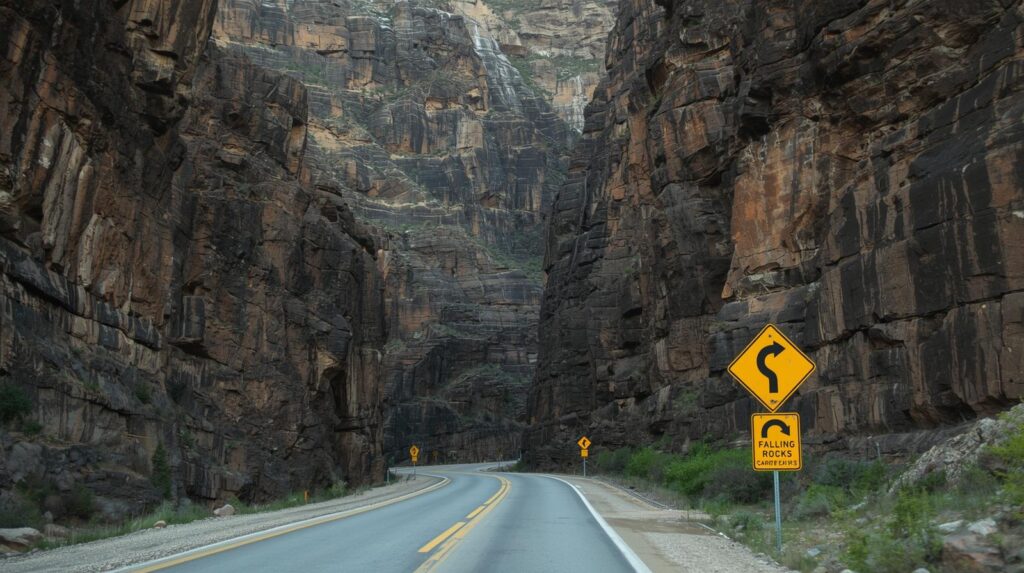
9. Halsema Highway – Philippines
During the rainy season, landslides and mudslides frequently block or damage sections of this mountainous road. Though surrounded by beautiful scenery, heavy rainfall can quickly transform it into a hazardous journey. Timing and weather awareness are critical for safe travel.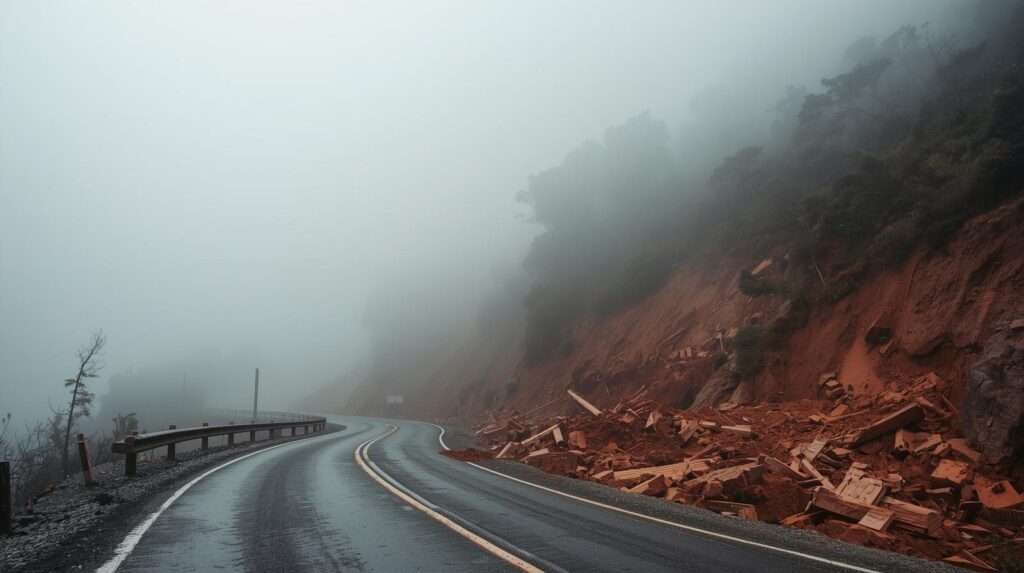
10. Karakoram Highway – Pakistan
Known as the highest paved international road in the world, the Karakoram Highway faces extreme weather conditions including blizzards, heavy fog, and sudden flooding. Its high altitude can also cause sickness among travelers unprepared for thin air. Despite its breathtaking views, it remains one of the most challenging highways on Earth.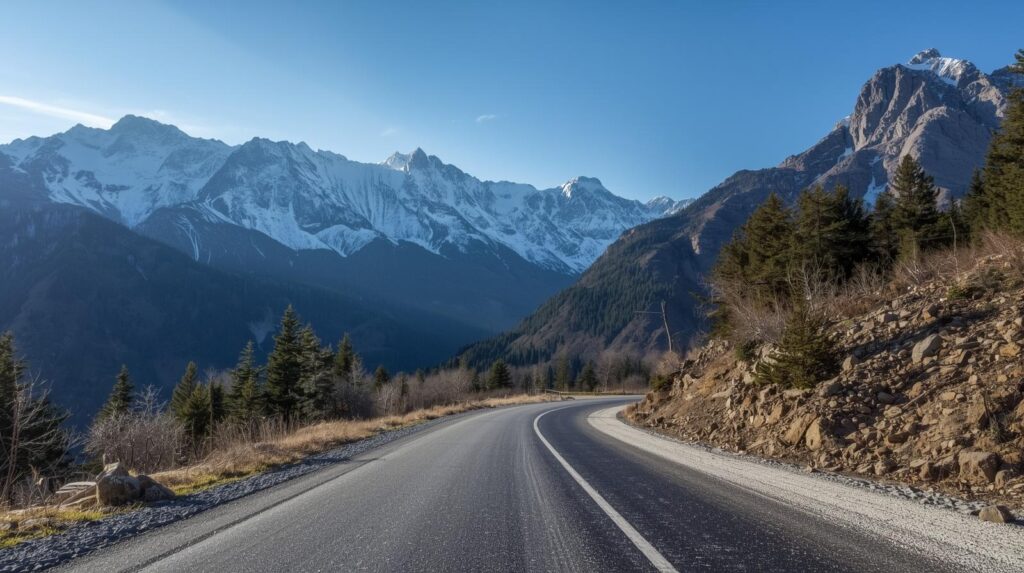
Thrill vs. Responsibility
Adventure can be exhilarating, but some roads demand more than courage — they require preparation, awareness, and respect for nature’s power. Rather than avoiding travel altogether, the key is understanding the risks and planning accordingly. Sometimes, the difference between a great road trip and a dangerous one is simply knowing what lies ahead.