The Finale That Felt More Like a Feud Than a Farewell
For twelve years, Two and a Half Men was one of the biggest sitcoms on American television, a ratings giant built on broad humor, familiar characters, and the chaotic chemistry inside a Malibu beach house. But when the series finally came to an end, it did not offer viewers a warm goodbye, an emotional reunion, or even a traditional sitcom sendoff. Instead, the finale unfolded like the last chapter of a long-running personal war. The episode leaned into mystery, teasing the possible return of Charlie Harper and inviting fans to believe they might witness one final reconciliation. Yet beneath that suspense was something much darker. Rather than celebrating the show’s history, the ending turned into a pointed statement shaped by years of bitterness between creator Chuck Lorre and former star Charlie Sheen. What could have been nostalgic instead became cynical, strange, and unforgettable for all the wrong reasons.
The Grand Piano Scene That Shocked Viewers
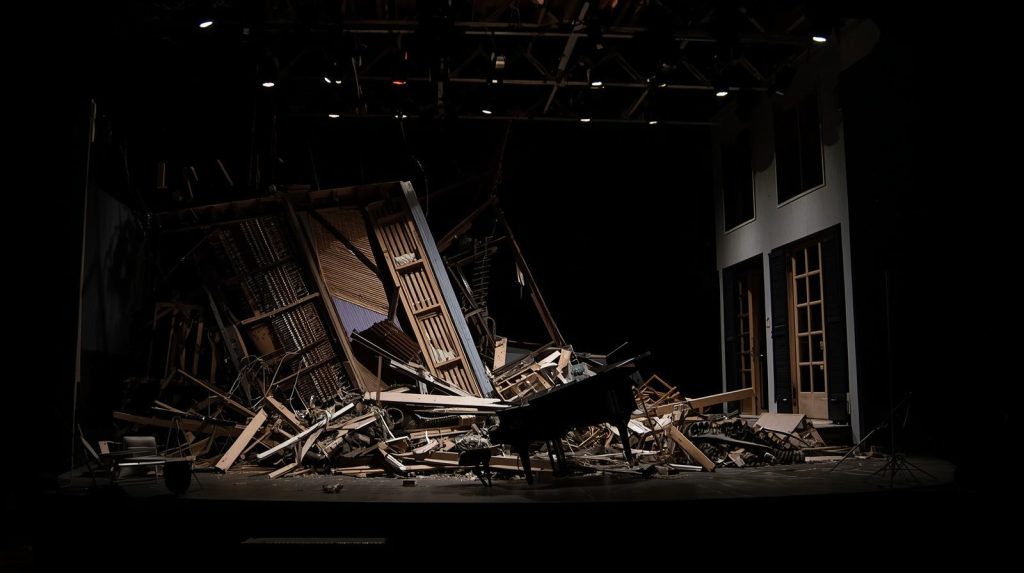
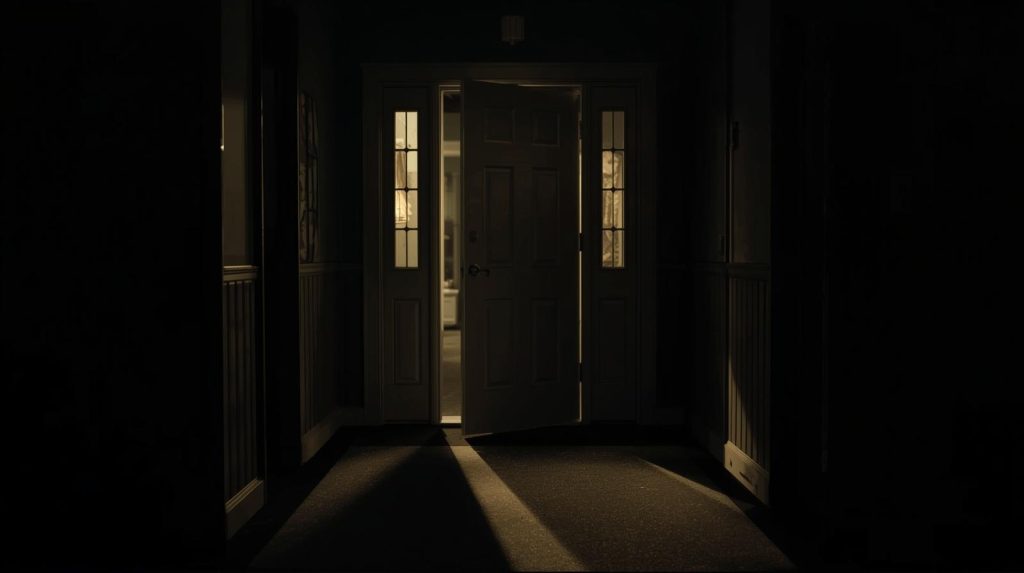
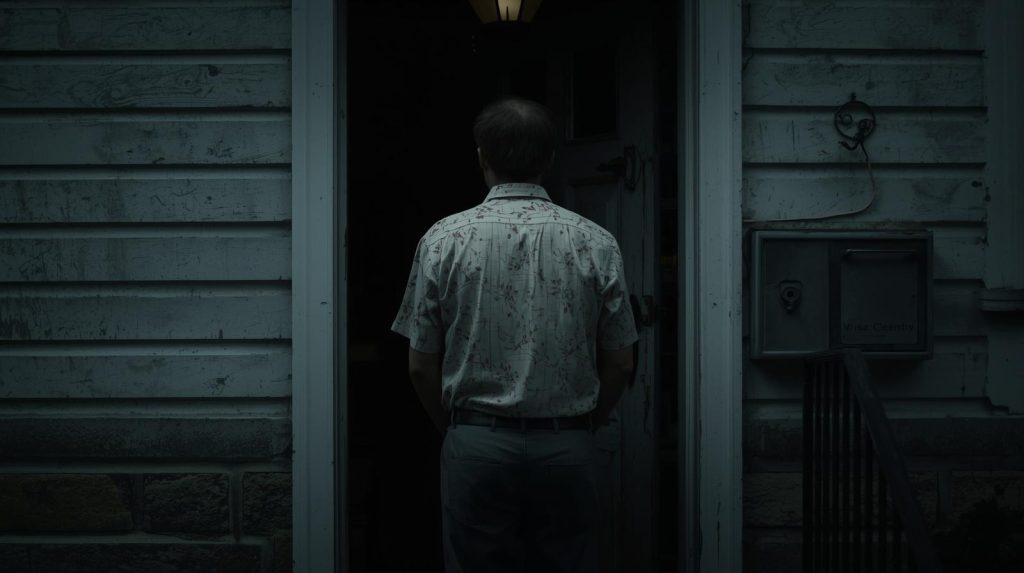
The most infamous moment of the finale came in its closing sequence, when a figure dressed like Charlie Harper approached the front door of the Malibu house, giving viewers the impression that Charlie Sheen might finally appear in person. For an entire hour, the episode built tension around that possibility, playing with the audience’s hopes and expectations. But just as the figure reached the doorstep, a grand piano suddenly fell from above and crushed him before his face was ever revealed. It was abrupt, surreal, and intentionally cruel in its execution. The scene did not feel like a joke shared with loyal fans, but rather like a deliberate denial of the emotional payoff viewers had been waiting for. Then the show went even further, pulling back to reveal the artificial studio set and Chuck Lorre himself sitting in a director’s chair, smirking at the camera before saying the word “winning,” a direct reference to Charlie Sheen’s infamous public meltdown years earlier. Seconds later, another piano fell and crushed Lorre too, sealing one of the strangest sitcom endings in television history.

The Long War Between Chuck Lorre and Charlie Sheen
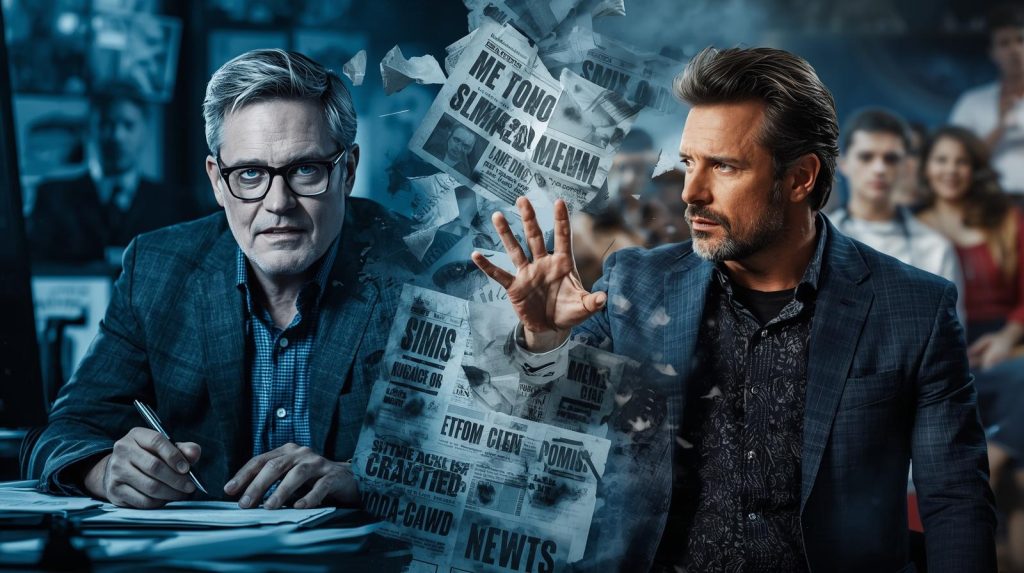
That shocking ending did not come out of nowhere. It was rooted in one of the most public and toxic creator-star feuds in television history. As Charlie Sheen’s off-screen behavior spiraled during the later years of the show, tensions between him and Chuck Lorre became impossible to contain. Sheen publicly attacked Lorre in interviews, mocked him in the press, and turned their conflict into tabloid spectacle during his 2011 breakdown. Lorre, meanwhile, responded in more controlled but still pointed ways, especially through his famous vanity cards that appeared briefly at the end of episodes. Over time, those text screens became a subtle battleground where frustration, sarcasm, and personal resentment spilled into public view. By the time the finale arrived, the show was no longer simply ending a story. It was settling a score. The final episode played less like a comedy script and more like a last act of symbolic revenge, using the series itself as the stage for a grudge match that had been building for years behind the scenes.
Why Charlie Sheen Never Truly Returned
One of the most haunting aspects of the finale was the absence of Charlie Sheen himself. The show clearly wanted the audience to think his return was possible, but in reality the negotiations reportedly collapsed because both sides had completely different ideas of what that return should look like. According to accounts surrounding the finale, Chuck Lorre proposed a scene in which Sheen would appear in a self-aware moment that acknowledged his real-life substance abuse issues and public implosion before ultimately being killed off by the now-famous falling piano. Sheen reportedly rejected that idea, unwilling to come back only to be turned into a cautionary tale or the butt of the joke. Instead, he wanted something warmer, more redemptive, and possibly even something that could open the door to future storytelling. That fundamental disagreement made reconciliation impossible. So the finale used a body double rather than the real actor, creating an eerie imitation of closure without genuine participation. The result felt hollow, because the character who once defined the show was reduced to a silhouette, a shirt, and a target.
Why Many Fans Felt Betrayed by the Ending
For longtime viewers, the greatest disappointment was not simply the weirdness of the finale, but the sense that the show had stopped caring about its own characters. Instead of wrapping up Alan’s journey, honoring the years of emotional and comedic history, or giving the audience a proper goodbye, the episode seemed far more interested in rehashing a 2011 celebrity feud. Characters broke the fourth wall, joked about the absurdity of the plot, and acted like they knew the entire show had become an inside joke. That approach alienated many fans who had stayed loyal through cast changes, tonal shifts, and the controversial transition into the Walden Schmidt era. They had invested in the Harper family dynamic, in the weird emotional rhythm between Charlie, Alan, Jake, Berta, and Evelyn. What they received instead was an ending that prioritized backstage bitterness over narrative satisfaction. Rather than thanking the audience for twelve years of support, the finale seemed to tell them that the creators were more interested in getting the last word than in providing a meaningful goodbye.
How the Show Became a Billion-Dollar Sitcom Machine
Part of what made the finale so shocking was just how successful Two and a Half Men had been for so long. Debuting in 2003, the series thrived at a moment when many believed the classic multi-camera sitcom was fading out. Instead, the show doubled down on the old-school format and turned it into a global hit. It drew massive weekly audiences, generated enormous syndication value, and became one of the most replayed sitcoms on television. At its height, Charlie Sheen was earning a record-setting salary per episode, and the series itself became a constant presence in living rooms, bars, waiting rooms, and hotel televisions around the world. Its humor was simple, broad, and highly accessible, which made it endlessly repeatable. That kind of dominance gave the show an almost untouchable status for years, allowing internal problems to be overlooked as long as the money kept flowing. The final collapse, then, felt even more dramatic because it was not the end of a struggling series. It was the self-destruction of a sitcom empire that had once looked invincible.
The Legacy of a Sitcom That Chose to Self-Destruct
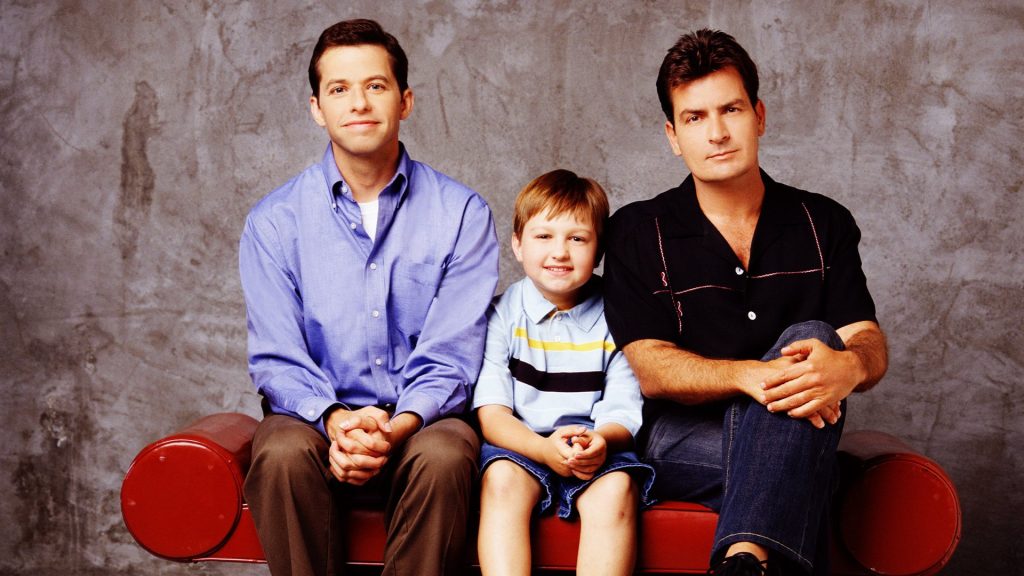
In the end, Two and a Half Men did not go out quietly. It chose an ending so aggressive, meta, and openly personal that it guaranteed people would keep talking about it long after the laughter stopped. The show had once succeeded because of the easy chemistry between Charlie Sheen, John Cryer, and Angus T. Jones, along with a supporting cast that understood exactly how to sharpen every joke. Even after Sheen’s departure, the series managed to survive through reinvention, proving that the brand itself was strong enough to keep moving. But when it came time to end, the creators stopped pretending this was only about the characters. The finale made the conflict itself the story. That decision turned the last episode into one of the most divisive endings in sitcom history, remembered not for closure or affection, but for its bitterness. For some, it was daring and brutally honest. For others, it was a petty act of television revenge. Either way, it ensured that Two and a Half Men would be remembered not just as a cultural phenomenon, but as a comedy that ended in open warfare.