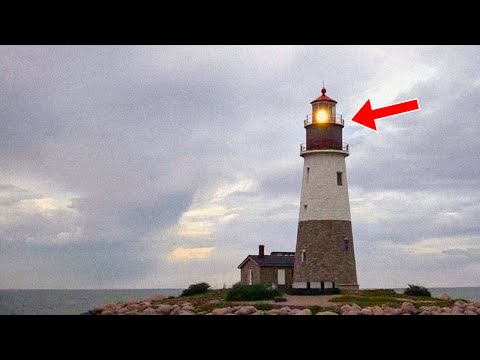
These aren’t hidden because they’re boring. They’re hidden because they’re dangerous, sacred, or destabilizing.
Around the world exist locations that most people will never be allowed to visit—not because they’re fictional, but because access itself creates risk. Some protect fragile ecosystems, others shield uncontacted civilizations, and a few guard secrets governments and institutions refuse to expose. The common thread isn’t mystery. It’s control.

One island has more venomous snakes than land to stand on.
Off the coast of Brazil sits Ilha da Queimada Grande, better known as Snake Island. It’s home to one of the highest concentrations of venomous snakes on Earth, including the critically endangered golden lancehead. The Brazilian government banned public access entirely—not to punish curiosity, but to prevent inevitable fatalities.

Another island rejects modern civilization altogether.
North Sentinel Island, in the Bay of Bengal, is inhabited by the Sentinelese—one of the last uncontacted tribes on Earth. They have repeatedly shown hostility toward outsiders, and governments enforce strict exclusion zones to protect both the tribe and would-be visitors. This isn’t tourism denied—it’s survival enforced.

Some places are sealed to protect history from people.
The Lascaux Caves in France contain prehistoric paintings so delicate that human breath and body heat began destroying them. After severe damage, authorities closed the caves permanently and built an exact replica nearby. The real masterpiece still exists—but only in silence.

Others are locked because they protect humanity’s future.
Deep in the mountains of Norway lies the Svalbard Global Seed Vault, designed to survive war, climate collapse, and nuclear disaster. It stores millions of seeds to restart agriculture if civilization fails. Access is restricted not because of secrecy—but because this place exists for a worst-case world.

Some locations are forbidden so nature can exist without us.
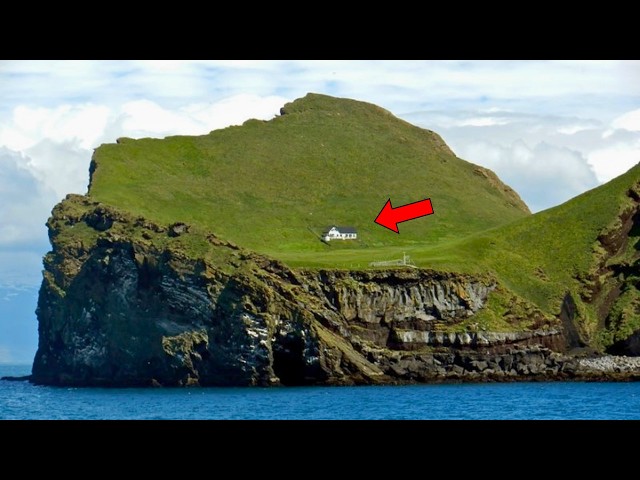
Surtsey Island near Iceland was born from volcanic eruptions in the 1960s and has been closed to the public ever since. Scientists study it as a rare experiment—watching ecosystems develop without human interference. The absence of visitors is the entire point.

A few places are closed because history left scars too deep.
Poveglia Island in Italy once quarantined plague victims and later housed a mental asylum. Today it stands abandoned, off-limits, and avoided even by locals. Nothing supernatural is required—the human history alone was enough to seal it.

Some bans exist because reverence matters more than access.
Uluru, the massive sandstone monolith in Australia, was once climbable. In 2019, it was closed at the request of the Anangu people, who consider it sacred. The ban wasn’t about danger—it was about respect.

Other places stay sealed because opening them could destroy them.
The tomb of China’s first emperor, Qin Shi Huang, remains unexcavated despite the discovery of the Terracotta Army nearby. Archaeologists fear exposing it could irreversibly damage what’s inside. Sometimes preservation means leaving questions unanswered.

Some locations are forbidden because power operates there.
From Area 51 in Nevada to North Korea’s rumored Room 39, certain sites are restricted because what happens inside shapes geopolitics, technology, or money. Whether the stories are exaggerated or not doesn’t matter—the access denial is real.

The most unsettling truth is that many forbidden places still exist in plain sight.
Abandoned cities like Varosha, secret archives like the Vatican’s restricted collections, and privately owned islands all exist within reach—but not permission. These places aren’t myths. They’re reminders that curiosity doesn’t always grant access.

In the end, these places aren’t forbidden because of you.
They’re forbidden because of what history, nature, or power has proven happens when humans are allowed in without limits. Sometimes the most responsible choice is the one that keeps the door closed.