Why Some Amish Women Avoid Tampons
In some Amish communities, tampons are viewed as inappropriate, unnecessary, or simply “not the way we do things,” especially in groups that prefer older, reusable methods. Instead of relying on modern disposable products, many families choose reusable cloth pads made at home from cotton fabric, layered for absorbency, stitched for durability, then washed and reused each cycle—treated as a practical household item rather than something to buy every month.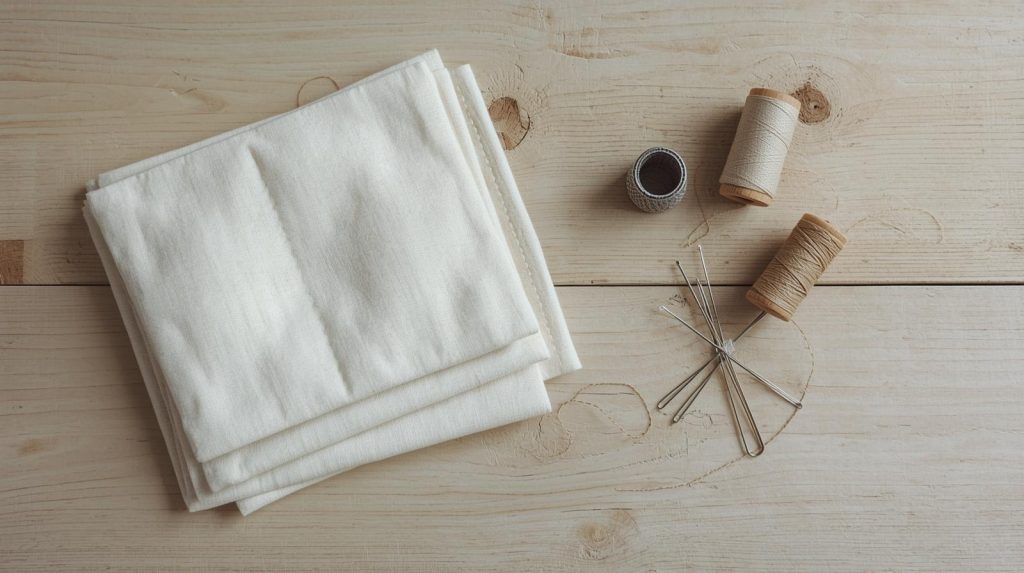
Homemade Cloth Pads and Quiet, Careful Routine
The routine is often about discretion as much as function: used cloth pads may be soaked, scrubbed with homemade soap, and hung to dry in private spaces—kept out of view in households where modesty is strongly emphasized. For someone used to store-bought products, it can sound shocking, but within that lifestyle it’s framed as normal, resourceful, and consistent with the wider Amish preference for repair-and-reuse rather than constant replacement.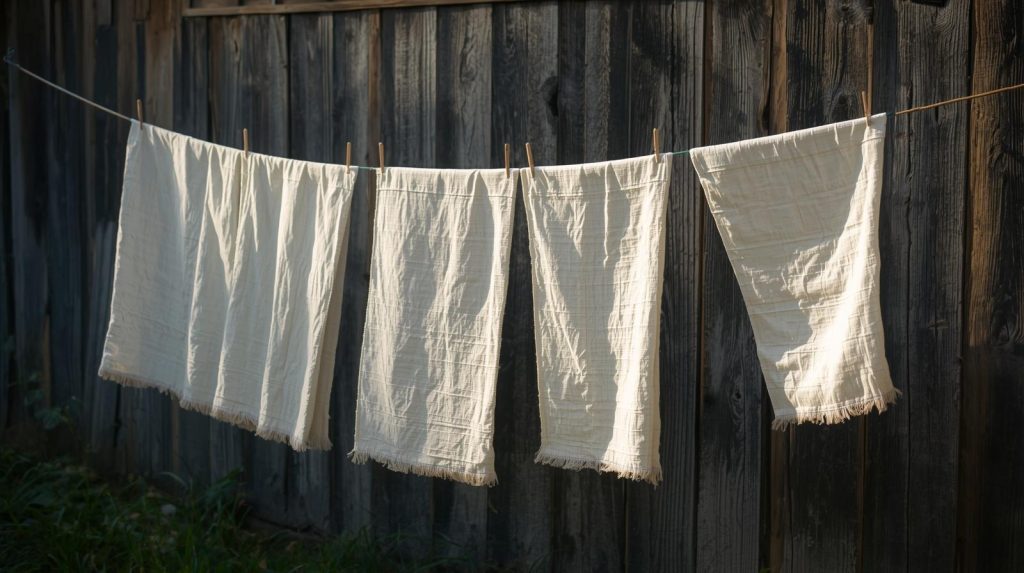
Period Privacy and “Learn-As-You-Go” Culture
A major theme in many Amish homes is privacy: menstruation, pregnancy, and personal grooming can be treated as topics not openly discussed, even within families. That doesn’t mean girls are abandoned—more often the knowledge is passed quietly through simple guidance, observation, and practical help when the moment arrives. The effect, though, is that personal care becomes something you manage with minimal conversation, because modesty is considered part of character and faith.
Warm Feet, Shoes, and Health Beliefs During Menstruation
Some families keep old health beliefs alongside faith and tradition—like urging girls to wear shoes or keep feet warm during their period, even if barefoot living is common at home. The belief isn’t always framed as superstition; it’s often explained as “staying healthy” and protecting future fertility, because family life and childbirth are deeply valued. Scientifically, cold feet don’t determine fertility, but traditions can persist because they’re tied to identity and generational trust.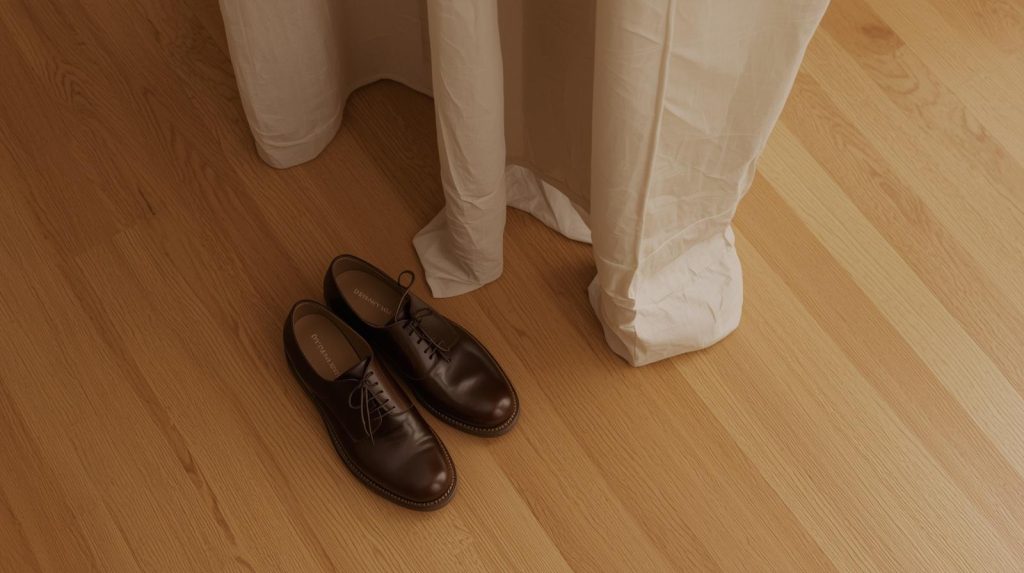
Natural Skincare Over Store-Bought Products
Without modern cosmetics and commercial skincare, many Amish women rely on basic cleaning and simple protection: water, lye-based soap, and natural balms such as beeswax mixtures or oils (like olive or coconut) to prevent cracking in harsh weather. The goal typically isn’t “beauty trends,” but function—keeping skin comfortable through outdoor work, wind, cold, and frequent washing, using recipes passed down like any other household skill.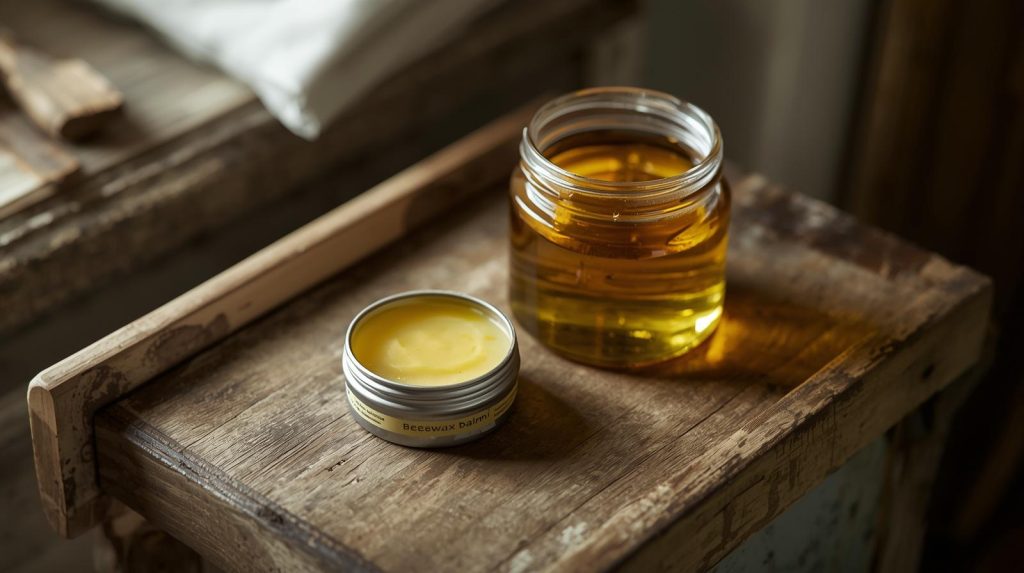
Soap-Making With Lye and Rendered Fat
Homemade soap is a cornerstone of many traditional households, and some Amish families still use old methods—rendered animal fat combined with lye to create a strong, multipurpose cleanser. It’s used broadly: hands, laundry, bathing, and general cleaning. The process can be harsh and requires care because lye is caustic, but supporters see it as dependable, affordable, and free from fragrances and additives they don’t trust or want.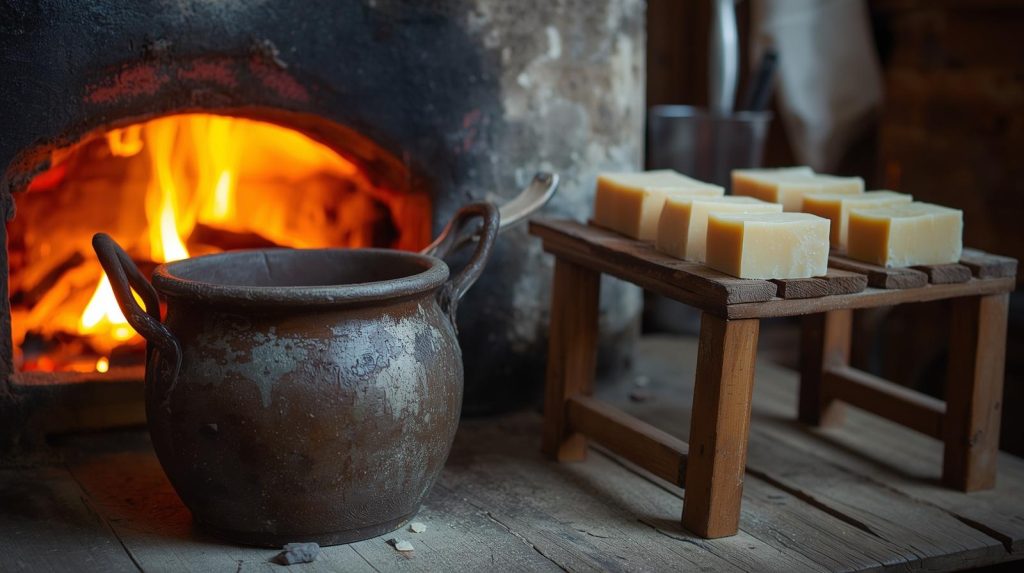
Hair, Dentistry, and “Simple Is Best” Self-Care
Many Amish women keep long hair pinned up under prayer coverings, often using basic cleansing methods like water rinses or vinegar-based washes instead of modern shampoos, then braiding and covering it for protection. Dental care can also follow a “do what we can at home” approach—baking soda mixtures, salt, or other simple cleaners—though in reality many Amish do see dentists when needed, and practices vary widely between communities. The consistent thread is the same: minimal vanity, practical upkeep, and a strong belief that fewer modern products means fewer problems.