Those Bright Balls You See in the Sky
If you ever look up at high-voltage power lines, you may notice large brightly colored balls hanging evenly along the cables. From the ground they might look small, almost like Christmas decorations placed along the wires. However, these objects are actually much larger than they appear—some can reach nearly one meter in diameter. Their bright colors and placement often make people curious, but these balls are far more important than simple decorations.
A Safety Idea That Began Decades Ago
The exact moment when these balls first appeared on power lines is not completely clear. However, many historians believe the practice began in the United States during the 1950s. Both Arkansas and Florida are often mentioned as places where the idea first started. Over time, the concept proved extremely useful and quickly spread across many countries around the world. Today, you can see these colorful markers on power lines in many different landscapes.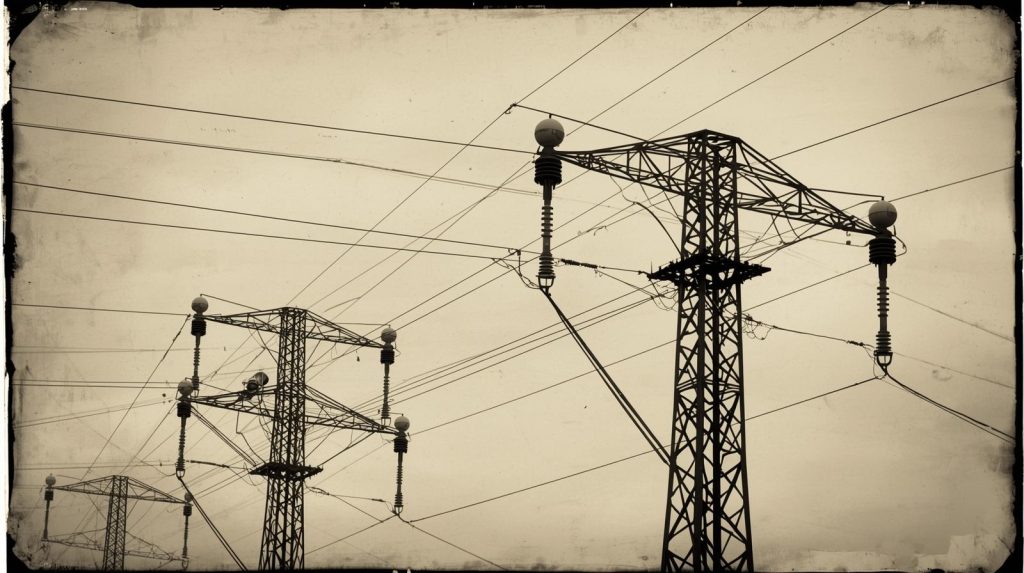
Much Bigger Than They Look
From the ground, these balls might appear to be the size of a basketball. In reality, many of them are far larger. Some of the biggest versions measure about 91 centimeters in diameter. The reason they appear smaller is because the power lines are usually suspended high above the ground. Their large size is necessary because they need to be clearly visible from long distances.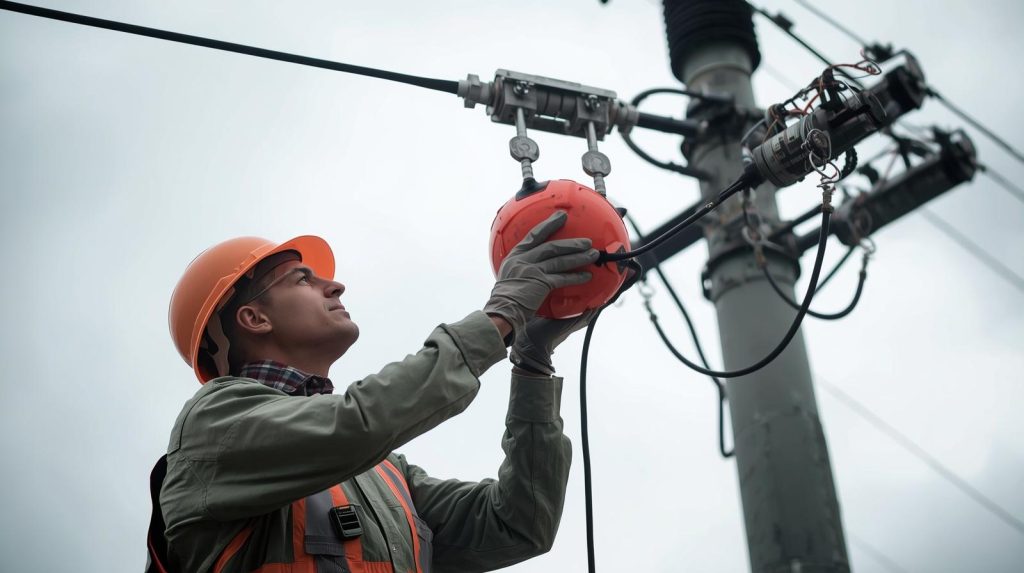
The Hidden Danger of Power Lines
Power lines can be surprisingly difficult to see, especially from the air. The cables themselves are thin and often blend into the surrounding landscape. Pilots flying airplanes or helicopters at low altitude may not notice them until it is too late. This danger is particularly serious near rivers, valleys, and mountainous terrain where aircraft often fly lower to navigate the landscape.
Why Pilots Need These Markers
The colorful balls are officially called aviation marker balls. Their main purpose is to make power lines highly visible to pilots. When sunlight reflects off the bright colors, the cables become much easier to notice from a distance. These markers are especially common near airports, rivers, lakes, and mountain passes where aircraft are more likely to fly close to the ground.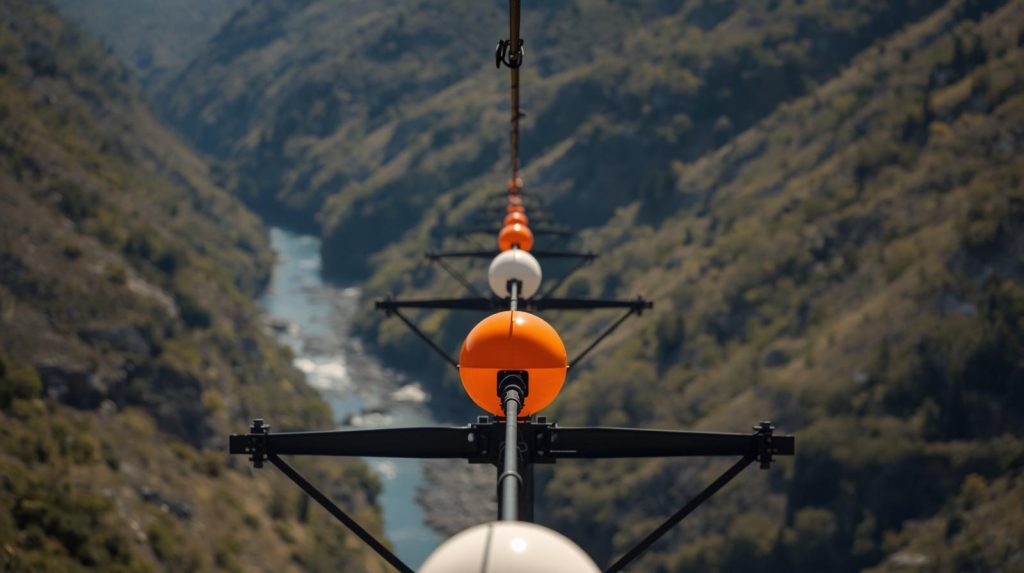
A Tragic Accident That Changed Safety Rules
The importance of these markers became widely recognized after several tragic accidents. One of the most well-known occurred in 1988 when a news helicopter collided with an almost invisible cable while flying over a river in Colorado. The crash sadly killed the journalists on board. Events like this highlighted how dangerous hidden cables could be for aircraft and pushed authorities to install more marker balls in risky areas.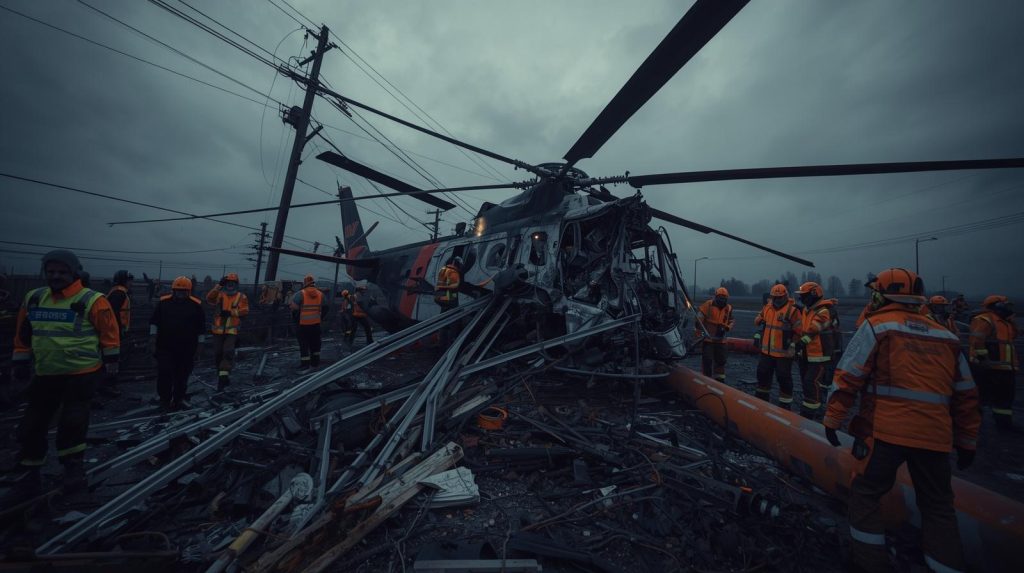
Different Colors for Different Locations
Originally, the balls were mostly painted red. Later studies showed that bright orange was easier for pilots to see, especially in low light conditions. Today several colors are used depending on the environment. Orange, red, yellow, and white marker balls may be chosen to create the strongest contrast with the background landscape so pilots can detect them quickly.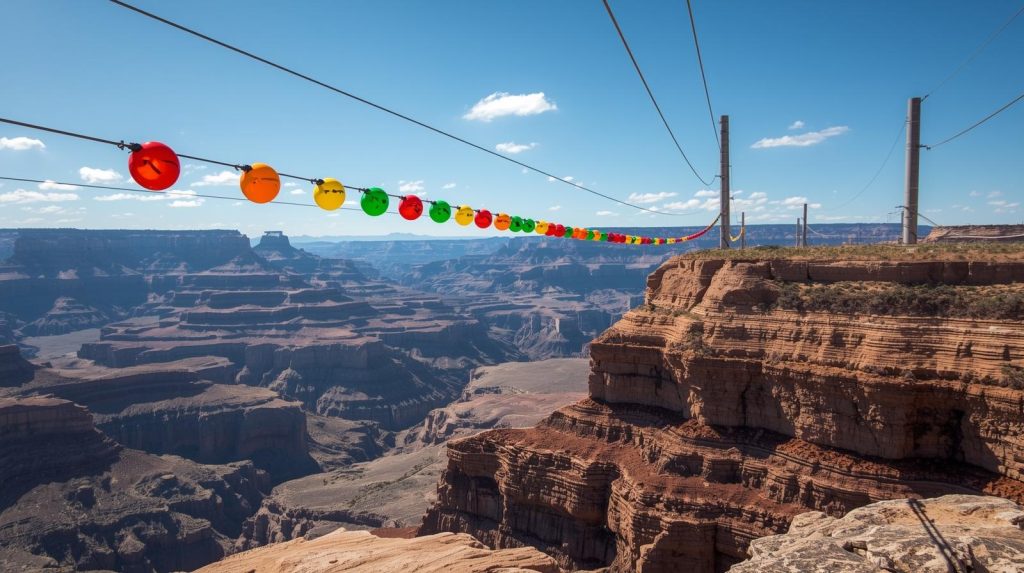
Spacing and Placement Matter
The balls are usually placed about 60 meters apart along the cables. In high-risk areas such as canyons, lakes, or nature reserves, they may be installed along the entire length of the line for maximum visibility. Near airports, the markers may appear closer together to warn pilots about obstacles during takeoff and landing.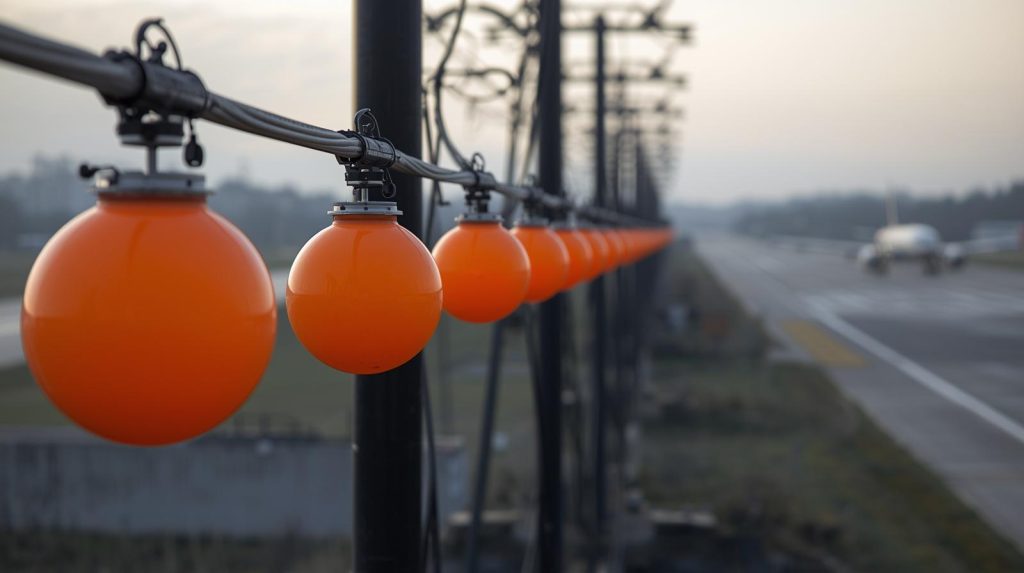
More Than Just Aircraft Safety
While their primary role is to warn pilots, the bright markers also help birds and boat operators notice the cables more easily. This reduces the chance of accidents involving wildlife or tall ships traveling through rivers and waterways. In many ways, these simple-looking balls quietly protect both people and animals every day.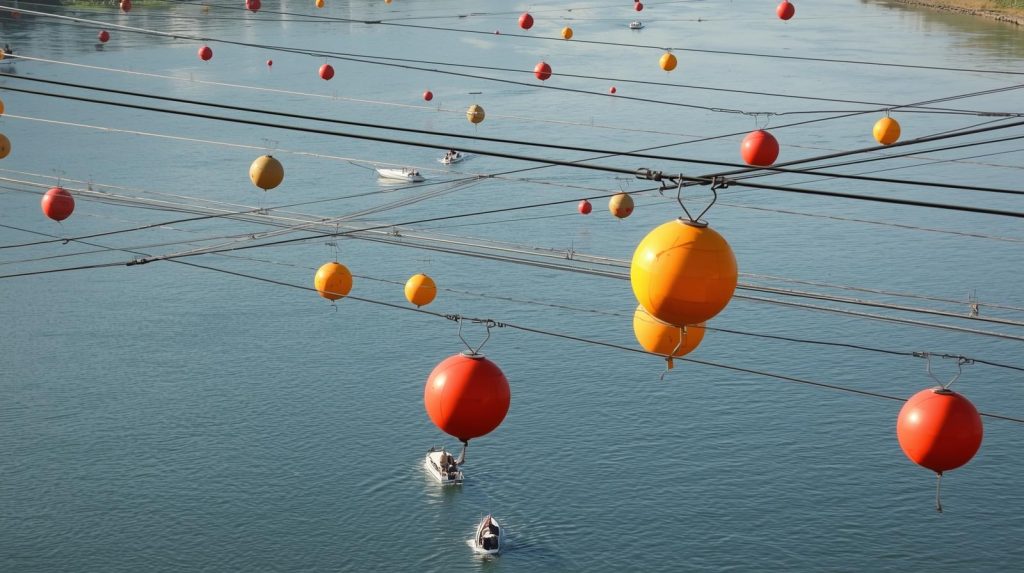
A Small Detail That Saves Lives
Those colorful balls may look like simple decorations hanging from power lines, but they serve a critical safety function. By making nearly invisible cables visible from far away, they prevent dangerous aircraft collisions and protect pilots navigating difficult terrain. The next time you see them in the sky, you’ll know they are not there for decoration—they are there to save lives.