The “Small Loan of a Million Dollars” Claim
During the 2015 U.S. presidential campaign, Donald Trump shared a story meant to illustrate how difficult his early career had been. According to him, his father only gave him a “small loan of a million dollars” to start his real estate business. For many listeners, the remark highlighted how disconnected extreme wealth can be from ordinary life. Trump had grown up in a 23-room mansion and reportedly received a yearly allowance worth hundreds of thousands of dollars in today’s money. To everyday workers struggling with rent, debt, or student loans, describing a million-dollar starting point as modest seemed like a striking example of the billionaire mindset.
The Controversy Around Kylie Jenner’s “Self-Made Billionaire” Label
In 2019, Forbes declared Kylie Jenner the youngest self-made billionaire in history due to the rapid success of her cosmetics brand. However, the announcement quickly sparked debate. Critics pointed out that Jenner had grown up in a famous and wealthy family, which helped provide exposure and opportunities many entrepreneurs never receive. The story became even more controversial when Forbes later reported that Jenner’s wealth may have been significantly inflated. Despite the dispute, public interviews celebrating her supposed billionaire status—where family members joked about her paying for vacations—further highlighted how casually massive wealth can be discussed within celebrity circles.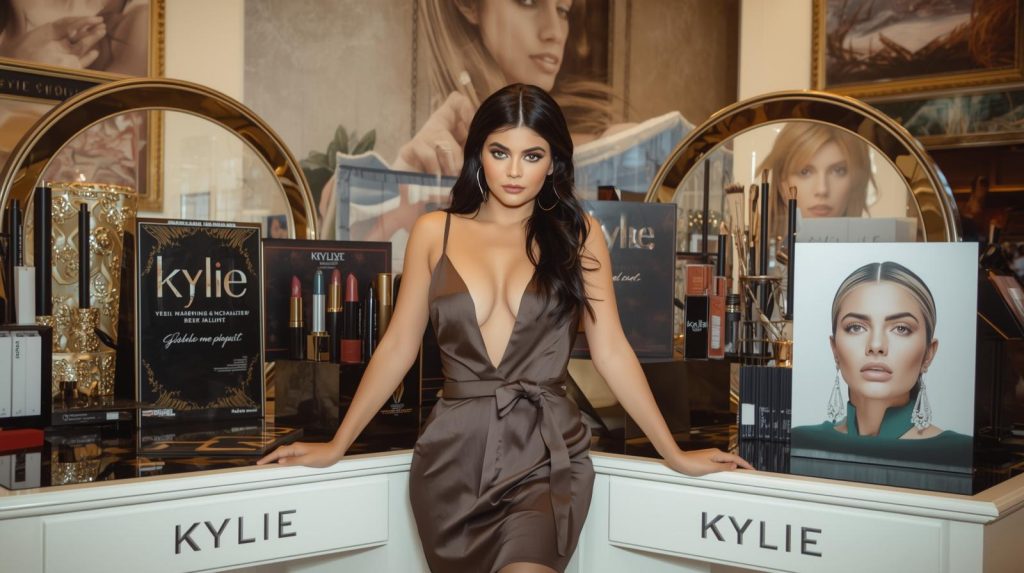
The Famous “Avocado Toast” Advice to Millennials
Few financial comments have become as widely mocked as the suggestion that young people can’t afford homes because they spend too much money on avocado toast and coffee. Australian real estate developer Tim Gurner made the remark during a 2017 television interview, arguing that younger generations needed to stop complaining and save more. Critics quickly pointed out that soaring housing prices, stagnant wages, and student debt were much larger factors than breakfast choices. The statement became a symbol of how some wealthy individuals oversimplify economic struggles faced by millions trying to enter increasingly expensive housing markets.
Kim Kardashian’s Advice: “Just Work Harder”
In 2022, Kim Kardashian offered business advice that quickly spread across social media. Speaking in an interview about entrepreneurship, she suggested that women should simply work harder if they want to succeed. The comment sparked widespread backlash, with many pointing out that countless people already juggle multiple jobs, childcare, and financial stress while still struggling to get ahead. Critics argued that Kardashian’s perspective reflected the advantages she had growing up in wealth and fame, which helped launch her career. The controversy highlighted how motivational advice from celebrities can sometimes overlook the realities of economic inequality.
Rishi Sunak’s Awkward Soup Kitchen Moment
Before becoming Prime Minister of the United Kingdom, Rishi Sunak participated in a highly publicized visit to a soup kitchen. Cameras followed the wealthy former investment banker as he served food to people seeking assistance. During the event, Sunak casually asked one visitor if he worked in business—prompting a moment that many viewers found uncomfortable. The exchange quickly spread online, with critics arguing it showed how distant political elites can sometimes be from the daily struggles faced by people relying on community support services.
Jeff Bezos Thanking Workers for His Space Flight
When Amazon founder Jeff Bezos completed a short spaceflight aboard his Blue Origin rocket in 2021, he publicly thanked Amazon employees and customers for “paying” for the trip. While the comment was likely intended as humor or gratitude, many observers found it ironic. At the time, Amazon faced criticism over warehouse working conditions and employee wages. Hearing the world’s richest individuals acknowledge that company profits—generated largely by workers—helped fund a billionaire space adventure sparked debate about wealth distribution and corporate responsibility.
When Wealthy Voices Misjudge Everyday Costs
One of the most widely shared moments illustrating the gap between billionaires and ordinary consumers came when Microsoft co-founder Bill Gates appeared on television and struggled to estimate the price of common groceries. While the moment was lighthearted, it reminded viewers that many ultra-wealthy individuals rarely handle everyday budgeting tasks themselves. When people have access to nearly unlimited financial resources, ordinary expenses—from groceries to transportation—can become abstract concepts rather than real concerns that must be carefully managed each month.