The Dangerous Illusion of Easy Wealth
Throughout history, periods of economic excitement have often turned into devastating financial disasters. These moments, known as economic bubbles, occur when people rush to invest in something they believe will make them rich quickly. Prices soar far beyond the true value of the asset, fueled by optimism and speculation. But eventually reality catches up, and when confidence collapses, the market crashes—leaving investors with shattered savings and economies struggling to recover.
The South Sea Bubble That Shook Britain
One of the earliest financial bubbles occurred in Britain in the early 1700s. The South Sea Company promised enormous profits from trade with South America and offered investors the chance to buy shares in its future success. Excitement spread rapidly, and people from all levels of society rushed to invest. As speculation drove prices higher, the company’s real profits never matched expectations. When insiders quietly sold their shares, panic followed and the market collapsed, bankrupting thousands and triggering a national political scandal.
France’s Mississippi Bubble Disaster
Around the same time, France experienced a similar catastrophe known as the Mississippi Bubble. Economist John Law convinced the government to replace traditional money with paper currency backed by colonial wealth in Louisiana. Investors poured money into the scheme, believing the territory held unimaginable riches. In reality, the profits were vastly exaggerated. Once confidence faded and people demanded gold instead of paper money, the system collapsed almost overnight, wiping out fortunes and damaging the French economy.
Railway Mania of the Industrial Age
During the 1840s, railways represented the future of transportation. Investors became convinced that railway companies would generate limitless profits as tracks spread across Britain. Thousands of companies appeared, many with unrealistic plans or fraudulent promises. People invested their life savings in railway shares, hoping to benefit from the transportation revolution. When banks tightened credit and many companies ran out of funds, the bubble burst. Stock prices crashed, destroying fortunes almost as quickly as they had been created.
The Great Depression and the Collapse of Confidence
Perhaps the most devastating financial crash in modern history began in 1929. During the “Roaring Twenties,” Americans poured money into the stock market, often borrowing heavily to buy shares. When prices began to fall in October 1929, panic spread across the market. Investors rushed to sell, triggering a massive collapse known as Black Tuesday. Banks failed, unemployment soared to nearly 25 percent, and millions of families lost their savings and homes during the Great Depression.
Japan’s Asset Bubble and the Lost Decades
In the late 1980s, Japan’s booming economy created another massive bubble. Cheap credit fueled enormous investments in real estate and stocks, pushing prices to unbelievable levels. Land in Tokyo became so expensive that some claimed the Imperial Palace grounds were worth more than entire regions in other countries. When interest rates increased in the early 1990s, the bubble burst. Property values collapsed, banks struggled with bad loans, and Japan entered decades of economic stagnation known as the “Lost Decades.”
The Dot-Com Crash of the Internet Boom
The late 1990s saw another wave of speculative excitement as the internet emerged. Investors believed that any company connected to the internet would become enormously profitable. Businesses with “.com” in their names received massive investments even without proven business models. By 2000, the Nasdaq stock market index had reached record highs. When reality set in and many companies failed to generate profits, the bubble burst, erasing trillions of dollars and bankrupting countless startups.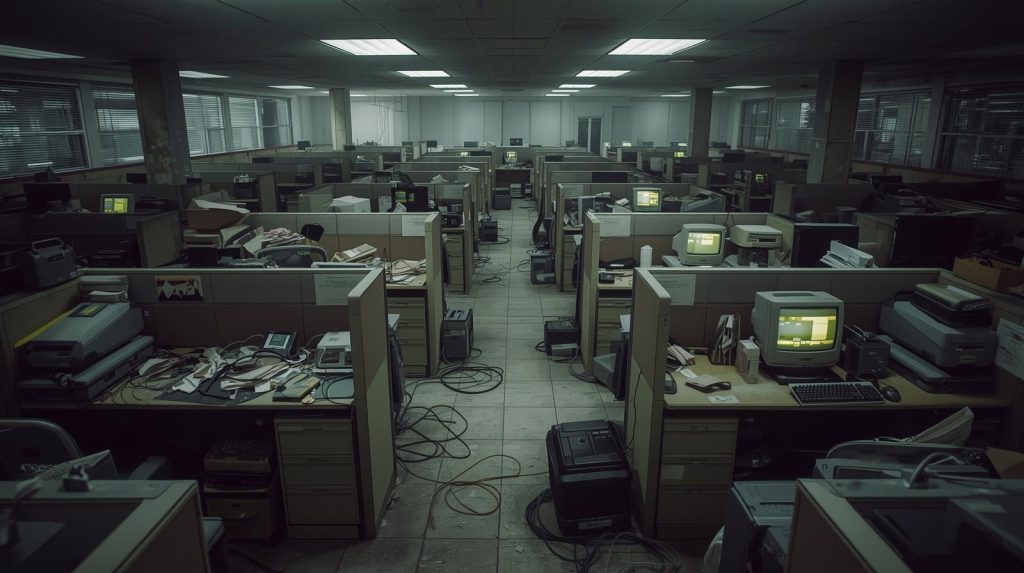
The Housing Bubble That Triggered a Global Crisis
In the early 2000s, housing markets in the United States and other countries became the focus of another speculative boom. Banks offered risky mortgages to buyers with poor credit, believing housing prices would continue rising indefinitely. These loans were packaged into financial products and sold worldwide. When housing prices began falling in 2006, millions of homeowners could no longer pay their mortgages. The collapse triggered the 2008 global financial crisis, leading to widespread unemployment, bank failures, and the deepest recession in decades.
The Rise and Fall of the Cryptocurrency Boom
In recent years, cryptocurrency created another wave of financial speculation. Digital currencies like Bitcoin and Ethereum surged in value, attracting millions of new investors who believed blockchain technology would revolutionize finance. By 2021 the global crypto market was worth nearly three trillion dollars. However, speculation and risky platforms created fragile systems. The collapse of major projects like Terra Luna and the downfall of the FTX exchange wiped out billions of dollars, leaving many investors with huge losses and raising questions about the future of the industry.
Lessons From Centuries of Financial Manias
From the South Sea Bubble to modern cryptocurrency crashes, history shows a repeating pattern. When excitement and greed replace careful judgment, markets inflate beyond reality. Eventually the illusion breaks, and ordinary investors often suffer the most. These financial bubbles serve as powerful reminders that while opportunities for wealth may appear endless during boom times, the risks of speculation are never far behind.